Home of high quality
Caucasian Honey Bees

“I have been using artificially inseminated Caucasian breeder queens from Two Rivers Honey Bees (Shibu Raj) for several years with good results. The genetics and service was exactly what I expected with no surprises and so far I’ve not experienced any of the near term supersedure problems that these types of queens are known for. I have been able to graft off of most of them for two seasons and look forward to ordering more each year. ”

Caucasian Honey Bees
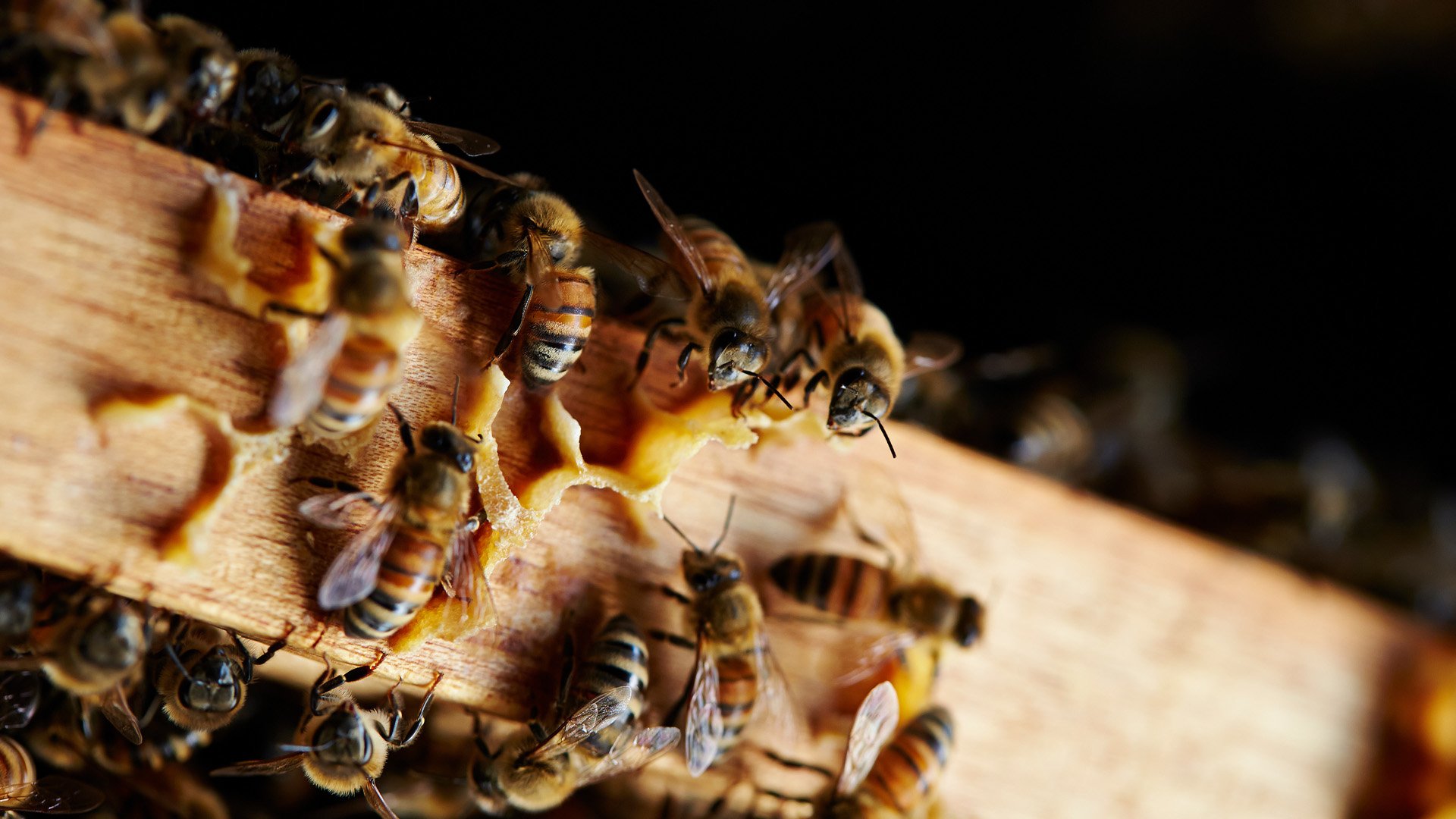
The Caucasian honey bee, or Apis mellifera caucasica, is a subspecies of the western honey bee (Apis mellifera). Known for its gentle nature, prolific honey production, and remarkable ability to thrive in colder climates, the Caucasian bee has played a pivotal role in the history of beekeeping in the United States.
Caucasian bees are native to the Caucasus Mountains, which span the borders of Georgia, Azerbaijan, Russia, and Armenia. The region’s unique climate, characterized by long winters and damp, foggy conditions, has shaped the Caucasian bee’s genetic traits, equipping it with adaptations that enable it to thrive in colder climates. Notably, the Caucasian bee has a longer tongue than other honey bee subspecies, allowing it to reach deeper into flowers and extract nectar more efficiently.
-
Our breeder queens are directly from Washington State University and crossed with different Caucasian blood lines. This stock shows very quick build up, very calm in combs and shows high degree of disease resistance.
-
Open mated F1 daughters from selected Caucasian Breeder queens. These are open mated in our mating yards saturated with drones from Caucasian and Carniolan breeder colonies.
-
Middle Tennessee raised nucleus colonies with open mated Caucasian queens